Samsung Reportedly Turns to TSMC for Nvidia Memory Chips
October 19, 2026
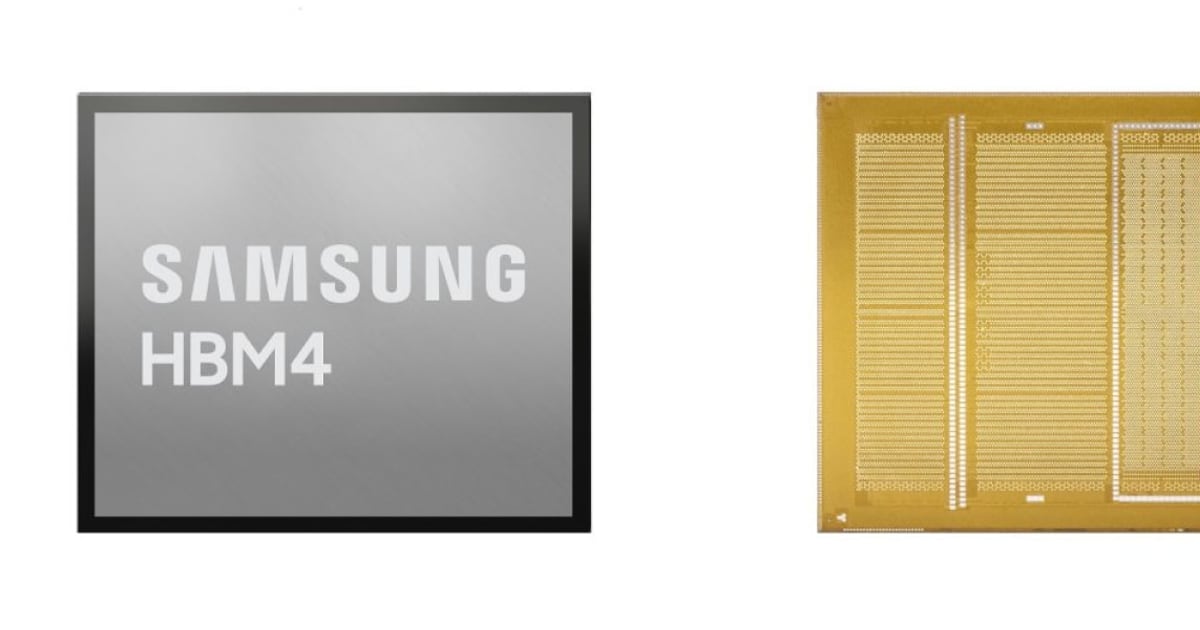
Read Original: ReutersSamsung Electronics will use TSMC's 3-nanometre process to manufacture base dies for Nvidia's next-generation custom high-bandwidth memory, according to an October 18 Reuters report citing Seoul Economic Daily.
The report describes a potential first collaboration between Samsung and TSMC at this stage of HBM manufacturing. It concerns a component within the memory package, rather than a statement that TSMC will manufacture every part of Samsung's memory products.
High-bandwidth memory, usually shortened to HBM, is used alongside demanding computing processors. Its stacked design provides a way to move large amounts of information between memory and the processor. The base die forms part of that package's underlying logic and connections.
The reported arrangement remains a report, not a confirmed product launch or shipping timetable. It does not establish a new retail price, a delivery commitment or an immediate change in the cost of running an AI application.
Our analysis: the business significance is the degree of coordination involved in advanced AI hardware. A processor brand, memory supplier, chip foundry and packaging operation can each contribute to the finished system. Progress at one stage does not automatically remove constraints at the others.
For companies buying cloud computing, the useful questions remain practical. Is the required hardware available in the right region? What are the service limits? Can the workload meet its performance target at an acceptable cost? A manufacturing headline cannot answer those questions on its own.
Teams planning a new AI service should benchmark their actual tasks before choosing infrastructure. Measure response time, throughput, memory requirements and running cost with representative inputs. Keep the option to change hardware or hosting arrangements where the application allows it.
The next developments to watch are company confirmation, product specifications and evidence of production availability. Until those arrive, the story is a signal about the proposed supply chain for future AI memory, rather than proof that faster or cheaper capacity is already available to customers.
Source:Reuters