Hardware
Apple Launches New Apple TV 4K, HomePod Mini 2 and HomeView
October 13, 2026
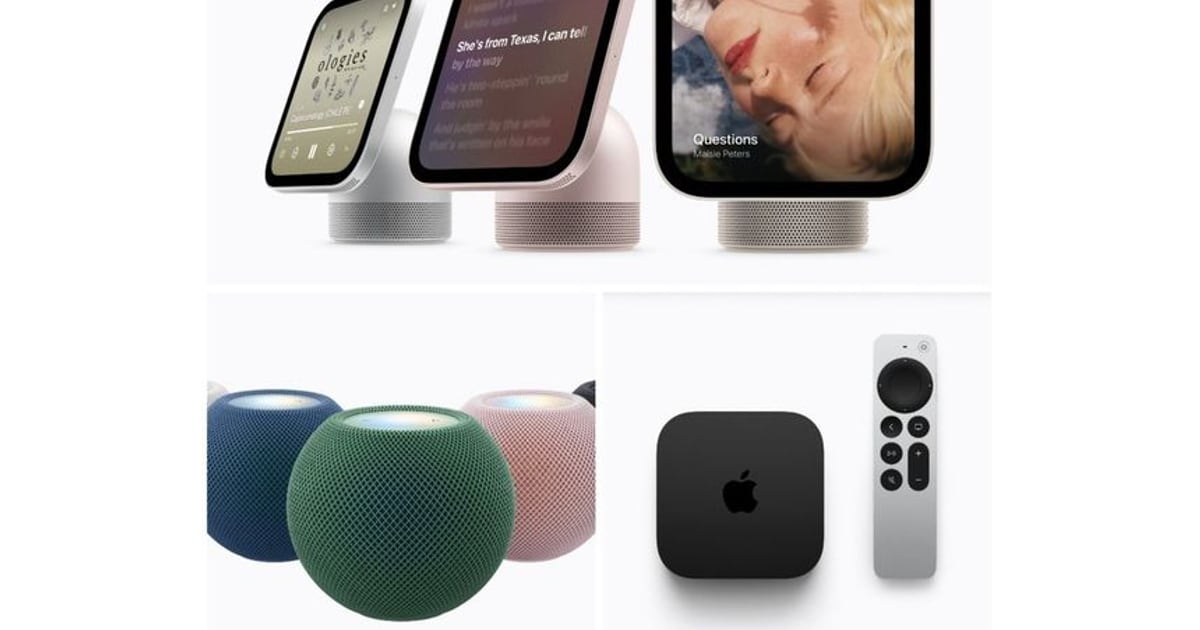
Read Original: 9to5MacApple announced three home products on Tuesday, October 13, as part of a launch called "Welcome home" in New York. The lineup includes a new Apple TV 4K, a second-generation HomePod mini and HomeView, the first Apple smart display built for the home. All three run Siri AI, the upgraded version of the Apple assistant.
The Apple TV 4K is the first update to the box since 2022. The new model uses an A19 chip, which Apple says delivers up to 50% faster CPU performance and twice the GPU performance of the previous model. Built-in far-field microphones let you talk to Siri without picking up the remote, and the Siri Remote now supports Find My with Precision Finding. Pre-orders opened today at $299, with shipping on November 13, according to 9to5Mac. The HomePod mini 2 costs $149 and supports four-speaker surround sound when paired with the new Apple TV.
HomeView is the bigger story. Bloomberg reporting ahead of the launch describes a display powered by an A18 chip, sold as a countertop model with a speaker base and as a wall-mounted version. Voice is the main way to control the device, with touch as a backup. There is no App Store. Apple partnered with LG on a range of accessories, including smart locks, doorbells and thermostats, to give buyers a full starter kit. HomeView is expected to ship around mid-November.
For years Apple sold the HomePod while Amazon Echo and Google Nest owned the kitchen counter. A dedicated display, cheaper partner accessories and a smarter Siri give Apple a stronger hand in the UK and US home market. For developers, the missing App Store on HomeView signals Apple wants tight control over the experience, so integrations will run through the Home app and Siri rather than standalone apps.
If you build products for smart home brands or sell connected devices online, the Apple home ecosystem now deserves a place in your roadmap.
Source:9to5Mac